Seasonal Depression: How to Overcome the Winter Blues
Explore how depression affects mental health and discover accessible treatment through virtual psychiatry. East Coast Telepsychiatry connects you with licensed professionals who care.
What Is Depression?
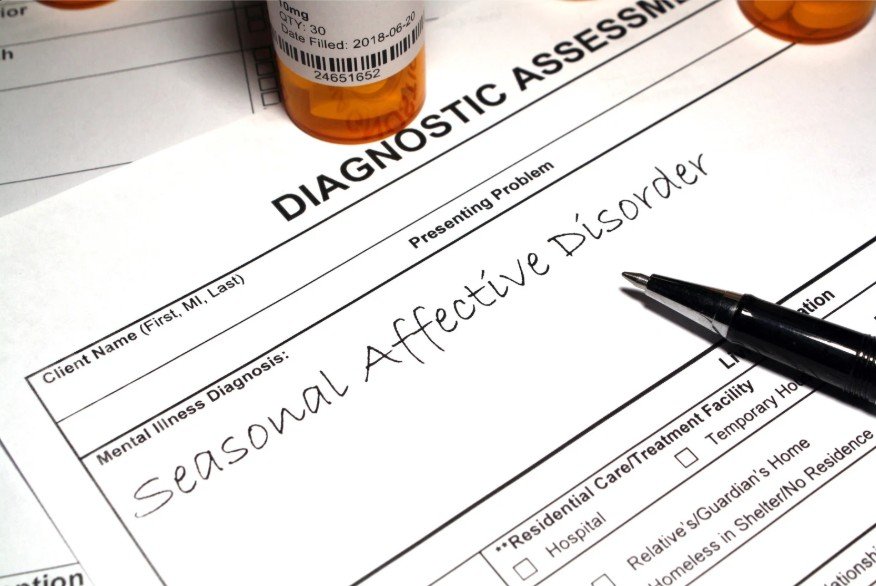
Depression (major depressive disorder) is a common and serious mental health condition that affects how you feel, think, and act. According to the American Psychiatric Association, it can interfere with your ability to function in daily life, relationships, work, and physical health. Seasonal depression, or Seasonal Affective Disorder comes with the winter weather.
Types & Variants of Depression
-
Major Depressive Disorder (MDD): Persistent low mood, loss of interest, and related symptoms lasting at least two weeks.
-
Persistent Depressive Disorder (Dysthymia): Chronic, milder depressive symptoms lasting two years or more.
-
Seasonal Affective Disorder (SAD): Depression related to seasonal changes (e.g. fall/winter onset).
-
Depression with Psychotic Features: Severe depression with hallucinations or delusions.
-
Perinatal/Postpartum Depression: Occurring during pregnancy or after childbirth.
Depression does not look the same in everyone; symptoms vary in severity, duration, and pattern. National Institute of Mental Health
Signs & Symptoms to Watch For
If you or someone you know is experiencing several of the following symptoms for more than two weeks, it could indicate depression:
-
Persistent sadness, emptiness, or hopelessness
-
Loss of interest or pleasure in activities once enjoyed
-
Fatigue, low energy, or slowed movements
-
Trouble sleeping (insomnia) or oversleeping
-
Changes in appetite or weight (up or down)
-
Difficulty concentrating, indecisiveness, memory issues
-
Feelings of guilt, worthlessness, or helplessness
-
Physical symptoms (aches, pains) without a clear medical cause
-
Thoughts of death, self-harm, or suicide
If thoughts of self-harm or suicide occur, seek immediate help (e.g. call 911, contact suicide hotlines, go to nearest emergency department).

If you’re searching for affordable virtual psychiatry services near me, East Coast Telepsychiatry offers expert care through secure, HIPAA-compliant platforms. Our online psychiatry services are designed to help individuals struggling with symptoms of depression get the timely, personalized treatment they deserve. With a team of licensed online psychiatrists East Coast patients trust, you can access compassionate care without the waitlists and commute.
How Depression Is Diagnosed
A mental health professional (psychiatrist, psychologist, or trained clinician) will typically:
-
Take a clinical interview and history
-
Use standardized tools such as the PHQ‑9 questionnaire to assess severity and track changes over time.
-
Rule out medical causes (e.g. thyroid disorders, vitamin deficiencies)
-
Evaluate for co‑occurring conditions such as anxiety, substance use, or bipolar disorder
Diagnosis is based on criteria from the DSM‑5 (Diagnostic and Statistical Manual) and clinical judgment.
Evidence-Based Treatment Options
Depression is treatable. The right plan often depends on symptom severity, personal history, preferences, and access to care.
1. Psychotherapy (“Talk Therapy”)
-
Cognitive Behavioral Therapy (CBT): Challenge negative thoughts and build coping skills
-
Interpersonal Therapy (IPT): Focus on relationships and social functioning
-
Mindfulness‑based therapies, Acceptance and Commitment Therapy (ACT), etc.
Therapy can be provided in person or via telehealth (video, phone). Research shows teletherapy is comparable in effectiveness for many patients. PMC
2. Medication (Antidepressants)
-
SSRIs (e.g. fluoxetine, sertraline)
-
SNRIs (e.g. venlafaxine, duloxetine)
-
Atypical antidepressants
-
Other classes depending on the case
Medication management requires monitoring for side effects and effectiveness. Many telepsychiatry platforms can prescribe and follow up virtually.
3. Lifestyle & Self‑Care Strategies
-
Regular physical activity / exercise
-
Balanced nutrition
-
Adequate sleep hygiene
-
Social connection, support networks
-
Mindfulness, stress reduction, structured routine
4. Combined Approaches
Often the most effective strategy is psychotherapy + medication. The two work synergistically to reduce symptoms and prevent relapse.
5. Emerging & Adjunctive Treatments
-
Digital therapeutics / apps (e.g. Rejoyn, a prescription app for depression)
-
Ketamine / psychedelic-assisted therapy (in regulated settings; telehealth companies like Mindbloom offer ketamine-assisted telemedicine in states where legal) Wikipedia
-
Neuromodulation tools under research
Why Choose Telepsychiatry & Virtual Mental Health Care?
Offering remote access to psychiatric and therapy services across the East Coast, telepsychiatry has many advantages:
-
Greater accessibility: Patients in rural, underserved, or remote areas gain access to specialists otherwise unavailable locally American Psychiatric Association
-
Convenience & time savings: No commute, no waiting rooms, flexible scheduling
-
Continuity of care: Easier follow-ups and session adherence
-
Reduced stigma: More privacy in seeking help
-
Comparable efficacy: Studies show telepsychiatry is largely equivalent to in-person care for mood disorders and anxiety disorders Mental Health Journal
-
Cost-effectiveness: Lower overhead, lower patient time costs
Challenges include licensing across state lines, insurance coverage variability, internet connectivity, and crisis management limitations. Verywell Mind
What to Expect from Virtual Depression Care at East Coast Telepsychiatry
Here’s a sample patient journey:
-
Initial Consultation & Assessment
You complete an online intake and a validated screening (e.g. PHQ‑9). A virtual meeting with a psychiatrist or mental health provider is scheduled. -
Personalized Treatment Plan
Based on severity, preferences, and medical history, your provider offers options (therapy, medication, or both). -
Remote Therapy & Medication Management
Therapy via secure video or phone, and psychiatric follow-ups to monitor response and adjust doses as needed. -
Symptom Tracking & Check-ins
Use apps, questionnaires, or built-in portals to track mood, side effects, and progress over time. -
Crisis Support & Referrals
If severe symptoms or safety concerns arise, an in-person referral or emergency plan will be activated.

From telepsychiatry in New York to telehealth psychiatry Boston, our team provides flexible, remote support for individuals seeking evidence-based help. Whether you’re interested in therapy for depression or medication management, our virtual mental health care model ensures continuity, privacy, and accessibility. Choose East Coast telepsychiatry and experience a new standard in telehealth psychiatric treatment.
Self‑Help & Coping Tips for Day‑to‑Day Support
-
Set small goals and maintain daily routines
-
Break tasks into manageable steps
-
Reach out to friends, family, or support groups
-
Practice mindfulness, breathing exercises, or journaling
-
Limit alcohol / substance use
-
Prioritize sleep and healthy eating
-
If feeling overwhelmed, contact a mental health crisis line
When to Seek Help Immediately
Seek immediate help if you or someone you care about:
-
Has active suicidal thoughts or plans
-
Shows signs of self-harm
-
Shows severe changes in thinking, perception, or behavior (e.g. hallucinations)
-
Cannot care for basic needs
-
Is in crisis or danger to self or others
Conclusion
Seasonal depression is a treatable medical condition—not a character flaw—and early intervention improves outcomes. For people across the East Coast, virtual mental health care and telepsychiatry offer accessible, effective pathways to healing and support.
If you want to learn more about East Coast telepsychiatry, how our online psychiatry services work, or to schedule a confidential assessment, Schedule a Virtual Appointment today. Let us help you take the first step toward recovery.