How Social Media Use Fuels Depression in Preteens and Adolescents
Tags: Social Media Use, Depression in Adolescents, Teen Mental Health, Parenting Tips, Telepsychiatry, Child Psychology, Digital Wellness, JAMA Study 2025
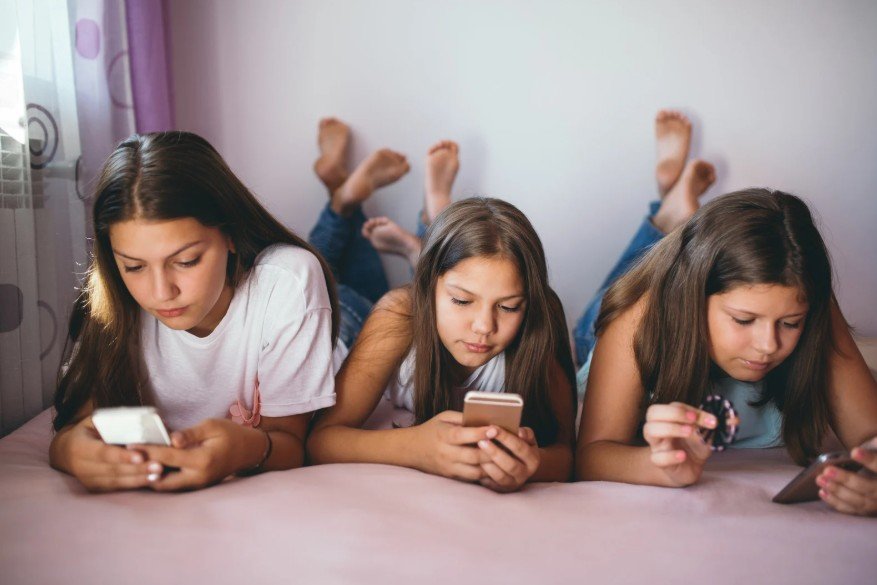
A landmark 2025 study confirms social media use directly worsens depression in preteens and adolescents, starting as early as age 9. Learn the risks, warning signs, and how to protect your child’s mental health with practical steps and professional support.
Social Media Use and Depression in Preteens: What New Research Reveals
A groundbreaking 2025 study published in JAMA Network Open provides the clearest evidence yet: increased social media use directly causes higher depressive symptoms in preteens and adolescents. This isn’t just correlation—it’s causation, and the effects start younger than most parents realize.
If you’re concerned about your child’s screen time and mental health, here’s what you need to know—and how to take action.
The Study: What It Found and Why It Matters
Researchers led by Dr. Jason M. Nagata at the University of California, San Francisco, analyzed data from 11,876 children in the Adolescent Brain Cognitive Development (ABCD) Study—the largest long-term study of brain development in the U.S.
Key Findings:
- Causation confirmed: When children increased their social media use, their depressive symptoms worsened the following year. The reverse wasn’t true—depression didn’t predict more social media use later.
- It starts early: By ages 11–12, over two-thirds of children had social media accounts, averaging three or more platforms—despite most requiring users to be 13+.
- Individual patterns matter: A child’s personal increase in usage (compared to their own baseline) was linked to worse mental health, not just comparing heavy vs. light users.
**"Teens who use social media for more than three hours a day face double the risk of depression and anxiety symptoms."** —U.S. Surgeon General Dr. Vivek Murthy
Why Early Adolescence Is a Critical Window
The brain undergoes rapid development during preteen and early teen years, making it especially vulnerable to external influences like social media. The American Academy of Pediatrics warns of "profound risks" to mental health during this stage, including:
- Social comparison: Constant exposure to curated, idealized content fuels feelings of inadequacy.
- Body image concerns: Nearly 50% of adolescents say social media makes them feel worse about their bodies.
- Sleep disruption: Algorithms prioritize engagement over healthy sleep, which is critical for developing brains.
- Cyberbullying: 64% of adolescents report exposure to hate-based content, and 60% of girls have been contacted by strangers in uncomfortable ways.
- Displacement of healthy activities: Screen time often replaces face-to-face interactions, physical activity, and other protective behaviors.
What Parents Can Do: Practical Steps
The researchers emphasize that anticipatory guidance—proactive conversations and boundaries—can mitigate risks. Here’s how to start:
1. Start the Conversation
Ask open-ended questions to understand your child’s online experiences:
- "What apps do you use most, and what do you like about them?"
- "Has anything online ever made you feel uncomfortable or upset?"
- "How do you feel after spending time on [specific app]?"
2. Set Boundaries
- Device-free zones: Keep bedrooms and dinner tables screen-free.
- Screen-free times: The hour before bed is critical for sleep quality.
- Age-appropriate access: Most platforms require users to be 13+, but this study suggests even that may not be protective enough.
- Family media agreements: Written plans (e.g., no phones during meals) work better than unilateral restrictions.
3. Watch for Warning Signs
Depression in adolescents often looks different than in adults. Be alert to changes in:
- Sleep patterns (sleeping much more or less than usual)
- Appetite or eating habits
- Interest in activities they used to enjoy
- Social connections with friends and family
- Academic performance
- Mood (increased irritability is often more prominent than sadness)
When to Seek Professional Help
If you notice persistent changes in your child’s mood or behavior, it may be time to consult a mental health professional. Early intervention leads to better outcomes. Consider reaching out if your child:
- Expresses feelings of hopelessness or worthlessness
- Withdraws from friends, family, or activities
- Shows declining academic performance
- Exhibits significant changes in sleep or appetite
- Talks about death or self-harm
- Seems unable to function normally in daily life
Why Telepsychiatry?
Virtual mental health care offers accessible, evidence-based support for families navigating these challenges. Benefits include:
- No travel or long wait times: Schedule appointments quickly and attend from home.
- Privacy and comfort: HIPAA-compliant platforms ensure confidentiality.
- Specialized care: Providers trained in cognitive-behavioral therapy (CBT) and other evidence-based approaches for youth.
**"Awareness and intentionality matter. When young people understand how social media affects them, they can make better choices about their usage."** —Study researchers
Resources for Families
- U.S. Surgeon General’s Advisory on Social Media and Youth Mental Health
- American Academy of Pediatrics: Social Media and Youth Mental Health
- 988 Suicide & Crisis Lifeline: Call or text 988 for immediate support.
- East Coast Telepsychiatry: Understanding Depression in Adolescents
Take the Next Step
At East Coast Telepsychiatry, our board-certified providers specialize in helping children, adolescents, and families develop healthier relationships with technology while addressing underlying mental health concerns. We serve families across South Carolina, North Carolina, Florida, Virginia, Maryland, and New York.
Ready to get started? Schedule your consultation today and take the first step toward better mental health for your child.
References
- Nagata JM, et al. Social Media Use and Depressive Symptoms During Early Adolescence. JAMA Network Open. 2025;8(5):e2511704.
- Office of the Surgeon General. Social Media and Youth Mental Health: The U.S. Surgeon General’s Advisory. U.S. Department of Health and Human Services. 2023.
- American Academy of Pediatrics. Surgeon General Advisory Warns of Social Media’s Effects on Youth Mental Health. AAP News. 2023.