Understanding Mental Health Month 2026: Goals, Progress, and How to Get Involved
Tags: mental health awareness month 2026, mental health month theme, telepsychiatry, mental health care gap, early intervention mental health, mental health stigma, telehealth mental health, mental health resources, lgtbq mental health, rural mental health access, workplace mental health, youth mental health
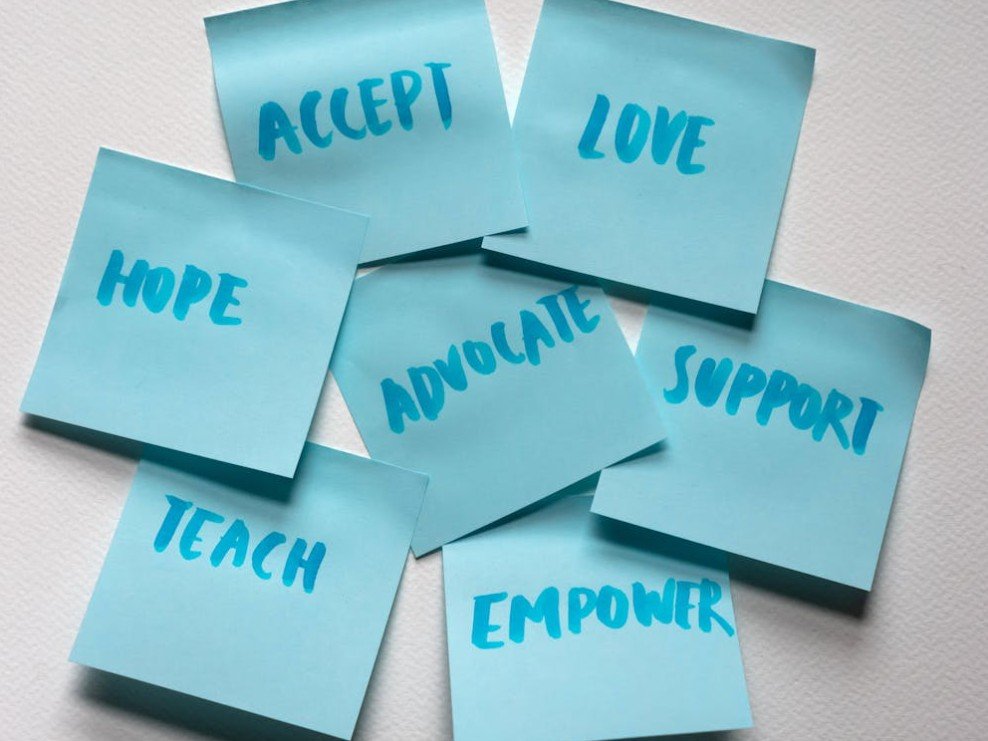
Mental Health Month 2026’s theme, “More Good Days, Together,” shifts the focus from clinical solutions to real-life progress—small wins, community support, and accessible care. Despite decades of awareness, over half of adults with mental illness still receive no treatment. Learn how you can take action, whether through advocacy, education, or personal support, to help bridge the gap and create meaningful change in your community.
Mental Health Month 2026: What the Theme Means and How You Can Help
Every May, Mental Health Month shines a spotlight on wellness, support, and the real-world challenges millions face. In 2026, the theme is “More Good Days, Together”—a shift from clinical jargon to what truly matters: creating moments that feel manageable, connected, and worth living. But progress requires more than awareness; it demands action.
This year’s focus isn’t on curing mental illness overnight. Instead, it asks: What does a good day look like for you? And how can communities, workplaces, and individuals help build more of them? Below, we break down the theme’s meaning, the current state of mental health care, and practical ways to contribute.
Why the 2026 Theme Focuses on "Good Days, Together"
The phrase “More Good Days, Together” may sound simple, but it’s intentional. Traditional mental health conversations often center on reducing symptoms or achieving stability—goals that can feel distant for many. This theme flips that script by emphasizing small, everyday wins and the role of connection in making them possible.
For people living with chronic or recurring mental health conditions, a “good day” might mean:
- Having enough energy to get through daily tasks without overwhelming distress.
- Feeling heard and supported by loved ones or peers.
- Finding small moments of relief, even if challenges remain.
Research consistently shows that social connection is one of the most powerful tools for mental wellness. Isolation, by contrast, is a major risk factor for worsening symptoms. The “Together” in this theme isn’t just a slogan—it reflects a well-documented truth: healing rarely happens alone.
The Role of Community and Support Systems
While individual coping strategies are important, they’re not enough on their own. Systems matter—whether it’s a workplace that normalizes mental health discussions, a school that provides early intervention, or a healthcare system that removes barriers to care. The 2026 campaign encourages communities to ask:
- How can we create environments where people feel safe asking for help?
- What resources are missing in our area, and how can we fill the gaps?
- How do we celebrate progress, not just outcomes?
The State of Mental Health in 2026: What the Numbers Say
Awareness campaigns have brought mental health into the conversation, but data shows persistent gaps in care and support. Here’s what the landscape looks like this year:
The Scale of Need
- 1 in 5 U.S. adults (about 57 million people) experience a mental illness each year.
- 1 in 25 adults lives with a serious mental illness that significantly impacts daily life.
- 50% of all mental illnesses begin by age 14, and 75% by age 24, making early intervention critical.
- Nearly 1 in 3 youth ages 12–17 report a mental, emotional, or behavioral challenge.
The Care Gap: Who’s Being Left Behind?
Despite these numbers, 55% of adults with mental illness receive no treatment in a given year. The reasons vary, but disparities are clear:
| Group | Treatment Rate | Key Barriers |
|---|---|---|
| White adults | 58% | Stigma, access, cost |
| Black adults | 39% | Cultural stigma, distrust of systems |
| Asian adults | 33% | Language barriers, stigma |
| LGBTQ+ adults | ~40% | Fear of discrimination, lack of affirming care |
| Low-income individuals | ~20% | Cost, transportation, insurance gaps |
| Rural communities | ~30% | Provider shortages, limited telehealth options |
Delayed Care: A Decade of Waiting
The average delay between the first symptoms and seeking treatment is 11 years. For many, this gap means symptoms worsen, opportunities for early intervention are missed, and recovery becomes harder. Factors contributing to delays include:
- Stigma: Fear of judgment or being labeled “weak.”
- Cost: High out-of-pocket expenses for therapy or medication.
- Access: Limited providers, long waitlists, or lack of insurance coverage.
- Workplace culture: Fear of career consequences for disclosing mental health needs.
Stigma in 2026: Has It Really Changed?
Stigma has evolved. While outright prejudice has declined, new forms of it persist:
- Subtle avoidance: Saying “I’m fine” instead of acknowledging struggles, even to close friends.
- Workplace silence: 43% of employees avoid telling managers about mental health challenges, despite workplace mental health programs.
- Digital disclosure: Many prefer talking to AI chatbots over human providers—a sign of comfort with technology, but also discomfort with human vulnerability.
The result? People still suffer in silence, even when support is available. Breaking stigma today isn’t just about education—it’s about creating psychologically safe spaces where people feel empowered to ask for help.
What Progress Looks Like: Small Wins That Add Up
Seventy-seven years of Mental Health Month have led to measurable, if uneven, progress. Some real-world changes include:
- Telehealth expansion: Remote care has normalized seeking help, with 17 million Americans using telehealth for mental health in 2024 (up from under 1 million in 2019).
- Workplace programs: More companies offer Employee Assistance Programs (EAPs), mental health days, and manager training.
- Early intervention in schools: Increased screening and counseling in K–12 settings.
- Peer support networks: Programs led by people with lived experience, reducing isolation and increasing hope.
But progress isn’t just about numbers—it’s about feeling the difference. A workplace might offer mental health resources, but if employees fear retaliation for using them, the system fails. A school might screen students, but if referrals lead to long waitlists, the gap remains.
How You Can Take Action This Mental Health Month
You don’t need to be an expert to make a difference. Small, consistent efforts can create meaningful change in your community. Here’s how to start:
For Individuals
- Normalize the conversation: Share your own experiences (if comfortable) or ask others about their mental health. Use open-ended questions like, “How have you been feeling lately?”
- Educate yourself: Learn about local resources, crisis hotlines, and early warning signs in youth and adults.
- Advocate for change: Write to local representatives about mental health funding, insurance parity, or workplace protections.
For Families and Friends
- Check in regularly: Mental health fluctuates. A simple “I’m here if you need to talk” can make a difference.
- Create a safety plan: If someone you love struggles with suicidal thoughts, develop a plan together for when crises arise.
- Encourage small steps: Help them identify one manageable goal, like attending a support group or trying a therapy app.
For Workplaces
- Train managers: Teach leaders how to recognize signs of distress and respond with empathy, not judgment.
- Offer flexible support: Mental health days, remote options, or confidential counseling services can reduce stigma.
- Share resources: Make sure employees know how to access EAPs, telehealth, or local providers.
For Communities
- Host a local event: A movie night about mental health, a panel with providers, or a walk to raise awareness.
- Volunteer: Crisis text lines, peer support groups, and mental health nonprofits always need help.
- Support underserved groups: Donate to organizations serving LGBTQ+ youth, rural communities, or low-income families.
Practical Steps: Where to Start
Not sure where to focus? Use this checklist to guide your efforts:
If you’re struggling:
- Reach out to a trusted friend or family member.
- Contact a telehealth provider for a quick consultation.
- Call or text a crisis line if you need immediate support.
If someone you know is struggling:
- Listen without judgment—avoid giving unsolicited advice.
- Offer to help with practical tasks (e.g., grocery shopping, appointments).
- Share resources like the 988 Suicide & Crisis Lifeline or local support groups.
If you want to advocate:
- Contact your state representative about mental health funding.
- Join or donate to a local mental health nonprofit.
- Share vetted resources on social media (avoid misinformation).
FAQ: Mental Health Month 2026
What is the theme for Mental Health Month 2026?
The theme is “More Good Days, Together,” focusing on creating meaningful moments of wellness and the power of community support in mental health.
Why does Mental Health Month focus on “good days” instead of curing mental illness?
For many people, recovery isn’t about eliminating all symptoms—it’s about building a life that feels manageable and connected. The theme emphasizes progress over perfection.
How can I find mental health resources in my state?
Start with your state’s Department of Health website or mental health association. Telehealth providers like East Coast Telepsychiatry offer online consultations, and SAMHSA’s National Helpline can connect you to local services.
What if I can’t afford therapy?
Many communities offer sliding-scale clinics, support groups, or free hotlines. Telehealth can also be more affordable than in-person care. Ask providers about payment plans or sliding fees.
How can workplaces better support mental health?
Train managers to recognize distress, offer confidential counseling services, and normalize conversations about mental health. Flexible schedules and mental health days can also make a big difference.
Closing Thoughts: Progress Starts with Action
Mental Health Month 2026 isn’t just about recognizing the problem—it’s about committing to solutions. The theme “More Good Days, Together” reminds us that wellness isn’t a solo journey. It’s built on small acts of kindness, systemic changes, and communities that refuse to leave anyone behind.
You don’t have to solve the entire mental health crisis to make an impact. Start where you are. Ask for help if you need it. Offer support if you’re able. Together, we can turn awareness into action—and more good days into a reality for everyone.
Source: More Good Days, Together: Mental Health Month 2026 and What You Need to Know — East Coast Telepsychiatry, published May 1, 2026.