Biomarkers in Psychiatry: The Science Behind Next-Gen Mental Health Diagnosis
Tags: biomarkers, precision psychiatry, mental health diagnosis, inflammation and depression, brain imaging, genetic testing, digital health, DSM update, biological psychiatry, personalized medicine
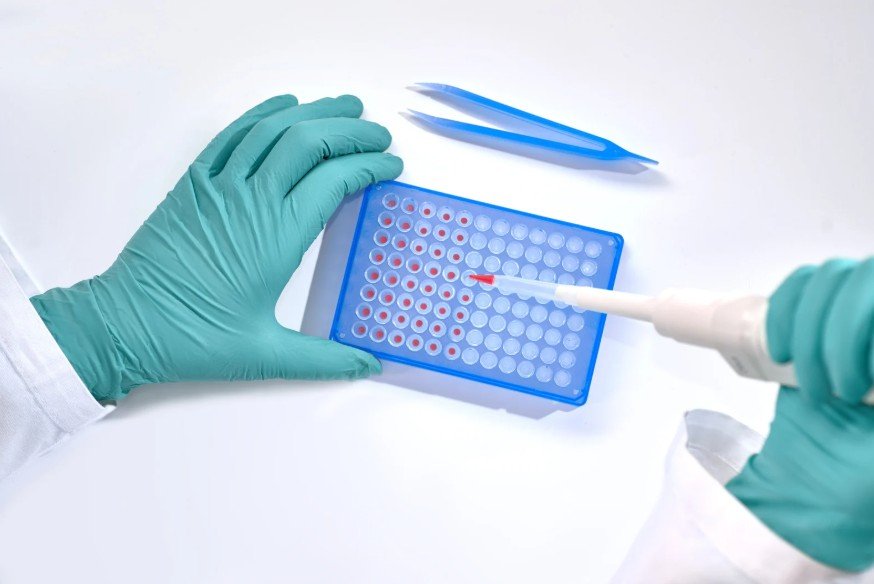
Biomarkers could revolutionize psychiatric diagnosis by adding objective biological data to symptom-based assessments. While not yet clinically validated, they hold promise for reducing trial-and-error treatment and improving outcomes for conditions like depression and schizophrenia.

The Shift Toward Objective Psychiatric Diagnosis
For decades, psychiatric diagnosis relied solely on clinical interviews and symptom checklists from the Diagnostic and Statistical Manual of Mental Disorders (DSM). While effective, this approach lacks the biological precision seen in other medical fields. The American Psychiatric Association (APA) is now proposing a paradigm shift: integrating biomarkers—measurable biological signals—into the diagnostic process.
This change could redefine mental health care, moving from trial-and-error treatment to precision psychiatry.
What Are Psychiatric Biomarkers?
Biomarkers are objective, measurable indicators of biological processes. In psychiatry, they fall into four key categories:
- Inflammation Markers (e.g., C-reactive protein [CRP])
- Elevated CRP is linked to depression in ~25% of patients and may predict treatment response.
- Brain Imaging (e.g., fMRI, PET scans)
- Detects structural and functional brain differences in conditions like schizophrenia and depression.
- Genetic Profiles
- Identifies predispositions to psychiatric disorders and medication metabolism.
- Digital Biomarkers (e.g., wearable data)
- Tracks sleep, activity, and heart rate variability to monitor mental health trends.

Blood-based biomarkers like CRP are already used in other medical fields. Psychiatry is now validating similar markers for mental health conditions.
Why Biomarkers Matter: Solving the Trial-and-Error Problem
Today, psychiatric treatment often follows a frustrating cycle:
- A clinician assesses symptoms and prescribes a medication.
- If it doesn’t work, another is tried—and another.
- Only ~30% of depression patients respond fully to their first antidepressant.
Biomarkers could break this cycle. For example:
- Patients with high CRP may respond better to dopamine-targeting drugs than SSRIs.
- Genetic testing could reveal how a patient metabolizes medications, reducing side effects.
"This is a recognition that what we’ve done up to this point has not been good enough. And we can do better."
— Andrew Miller, Professor of Psychiatry, Emory University
The APA’s Proposed Diagnostic Framework
The APA’s Future DSM Strategic Committee (chaired by Maria Oquendo, MD, PhD) proposes a four-part diagnostic model:
- Contextual Factors
- Socioeconomic, cultural, and environmental influences on mental health.
- Biomarkers & Biological Data
- Genetics, brain imaging, inflammation markers, and digital health metrics.
- Diagnoses
- Retains familiar categories (e.g., depression, anxiety) but with biological specificity.
- Transdiagnostic Features
- Symptoms like sleep disturbance or emotional dysregulation that span multiple conditions.
This framework marks a departure from the DSM’s historically symptom-only approach, aligning psychiatry with other medical specialties.
What This Means for Patients
If biomarkers become standard, the diagnostic process could evolve:
- Before: Diagnosis based solely on symptom reports.
- After: Diagnosis informed by blood tests, genetic screening, or wearable data.
Potential Benefits:
- Faster, more accurate treatment selection.
- Reduced suffering from ineffective medications.
- Personalized care for biologically distinct subtypes of depression, schizophrenia, and more.
The Critical Caveat: Biomarkers Are Not Yet Clinically Ready
While promising, psychiatric biomarkers face hurdles:
- Validation: Most biomarkers (e.g., CRP) require large-scale, longitudinal studies.
- Funding: Federal budget cuts have disrupted research, delaying progress.
- Regulation: The FDA’s Biomarker Qualification Program sets a high bar for clinical use.
The APA emphasizes that biomarkers are not yet validated for routine care but represent a critical step toward evidence-based psychiatry.
A Brief History of Psychiatric Diagnosis
- 1980: DSM-III adopts a symptom-based, atheoretical approach due to lack of biological consensus.
- 1990s–2000s: Neuroimaging and genetics spark optimism—but progress stalls.
- 2024–2026: The APA’s Future DSM Strategic Committee proposes biomarker integration, signaling a shift toward scientific psychiatry.
The Future of Mental Health Care
Biomarkers won’t replace clinical judgment but could enhance it—just as an EKG informs a cardiologist’s evaluation. For patients who’ve struggled with trial-and-error treatment, this shift could be life-changing.
Next Steps:
- Stay informed about biomarker research.
- Discuss emerging options with your provider.
This article is based on reporting from KFF Health News (March 17, 2026) and the peer-reviewed paper The Future of DSM: Role of Candidate Biomarkers and Biological Factors, published in the American Journal of Psychiatry by the APA’s Future DSM Strategic Committee.